The Cult of Victory and the True Spirit of Sport
In a society obsessed with immediate success, the essence of sport is being distorted. We’ve become a culture that idolizes victory at any cost—medals, trophies, headlines—and in doing so, we’ve lost sight of a far greater truth: sport is a journey, not just a scoreboard.
As a coach, I’ve come to realize that the real power of sport lies in the human experience of resilience—the ability to fall, get back up, and keep fighting. It’s about the courage to risk, the humility to accept failure, and the respect for those who refuse to give up—regardless of the score.
When I was young, I often hesitated to take risks on the court because I grew up in an environment where mistakes could be harshly judged. I remember many times feeling that if I made a mistake, I would be met with criticism or disappointment. The system I was part of often emphasized obedience over initiative, with the belief that players—especially women—weren’t capable of making their own choices. It was common to hear that coaches needed to tell players exactly what to do because they couldn’t be trusted to make the right decisions themselves.
This approach created a culture where error was seen as a failure instead of an opportunity to learn. I remember coaches subbing me form the bench during critical moments, urging me to change the course of the game, but often in a way that felt more like punishment than encouragement. I’d find myself praying not to get served just to avoid criticism. That kind of environment left me feeling hesitant to risk, to trust my instincts, or to learn from my mistakes for fear of the consequences.
Over time, I’ve come to see that this system stifles growth—in both players and coaches—and that true development requires a shift in mindset. It’s about creating a culture where mistakes are part of the learning process, not a reason for shame. As a coach, I now aim to foster an environment where players are encouraged to take initiative, make decisions, and learn from their errors without fear of harsh judgment. Because real growth happens when we are allowed to risk, stumble, and then rise stronger than before.

Sport as a Reflection of Life
True sport is a mirror of life. It’s about the human capacity to persevere through adversity. It teaches us that failure isn’t the opposite of success—it's an integral part of it. In every setback, there’s a lesson. In every disappointment, there’s an opportunity to forge resilience, character, and grit.
When I shifted my coaching perspective, I realized my responsibility was greater than just teaching techniques. I wanted to cultivate warriors of resilience—athletes who embrace their mistakes and see failure as fuel rather than fear. I wanted young players who trust in their own resilience, knowing that the greatest victories come after the hardest fall.
The Culture We Need to Build
Today, I challenge coaches and players alike: Let’s transform the culture of sport. Let’s create a space where failure is not taboo but celebrated as part of learning. Where taking risks is encouraged, and growth is prioritized over the temporary shine of victory.
Because, in reality, the true victory isn’t the scoreboard—it’s the courage to keep going, to risk, to stand tall after you fall. It’s about building character, resilience, and humility—traits that are valued far more than a medal.
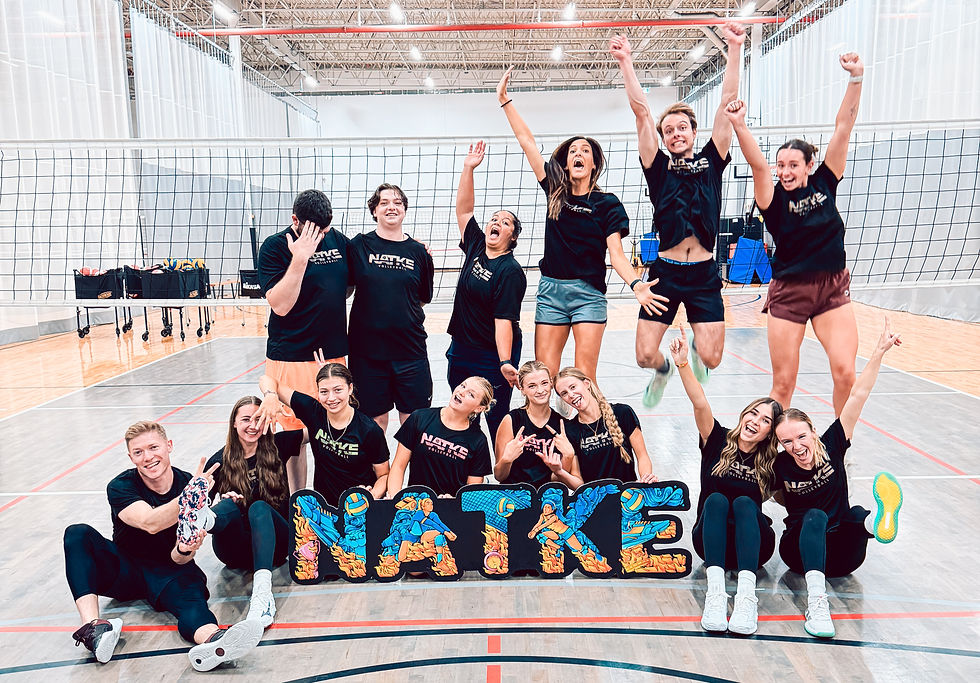
My Personal Journey as a Coach
This journey of transformation has changed me deeply. I used to fear mistakes, avoid risks, and focus solely on results. But through my experiences—both as a player and a coach—I have learned that the real power lies in the process, not just the outcome.
Now, my mission is clear: To coach players who see failure as a stepping stone, not a stumbling block. To build not just skilled athletes, but resilient, brave, and fearless individuals. I want them to know that every fall is an opportunity to rise stronger.
And I believe that when we shift our focus from victory to growth, we unlock a level of performance and character that no trophy or medal can truly measure.
The True Spirit of Sport
Sport is more than just a game. It’s a test of will, a battle of character, and ultimately, a journey of self-discovery. My hope is that, as coaches and players, we remember that the real victory is the strength to keep fighting, even after you’ve fallen.
Because in the end, the most meaningful victory lies in the resilience, courage, and humility we cultivate along the way. That’s the legacy I want to leave—not just for my players, but for the future generations who will carry the true spirit of sport forward.


Comments